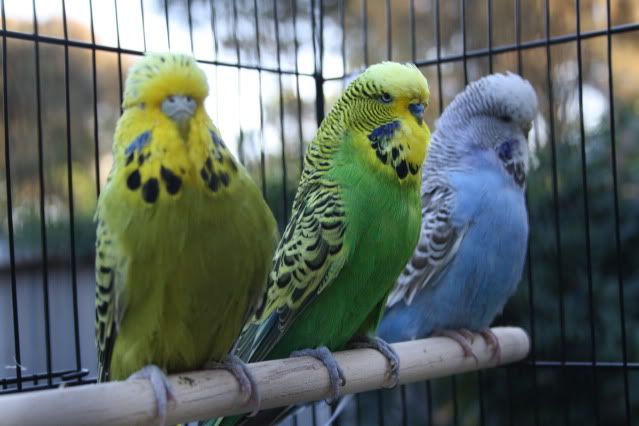
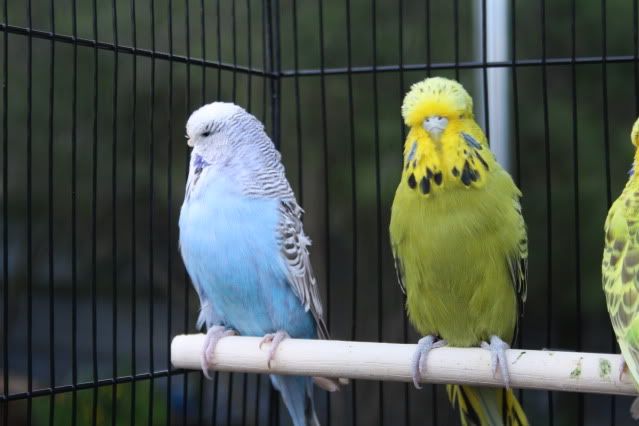
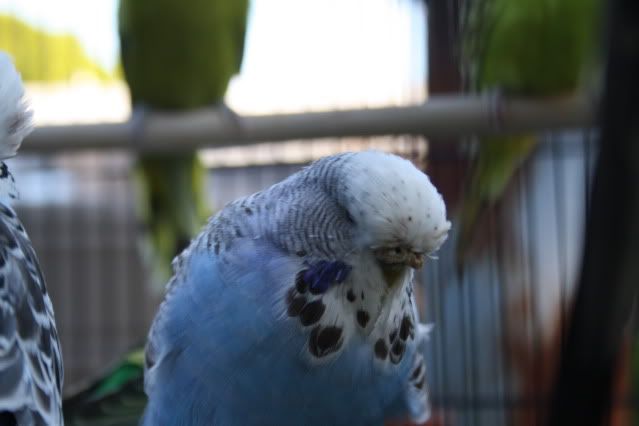
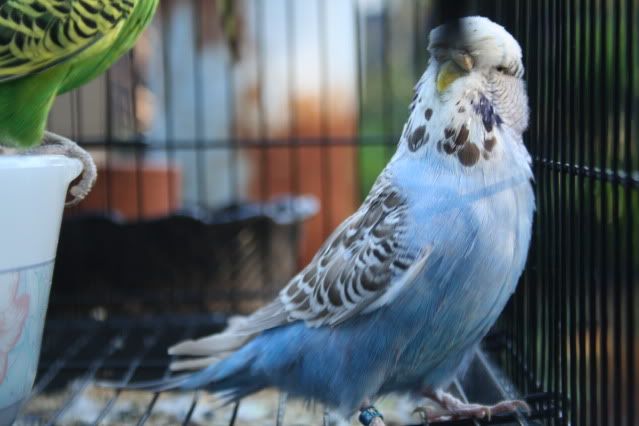
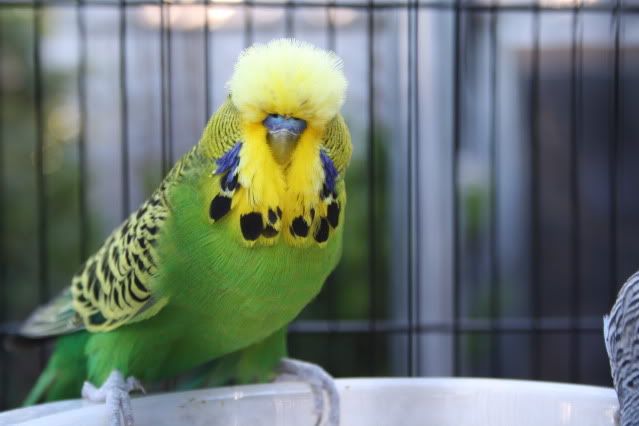
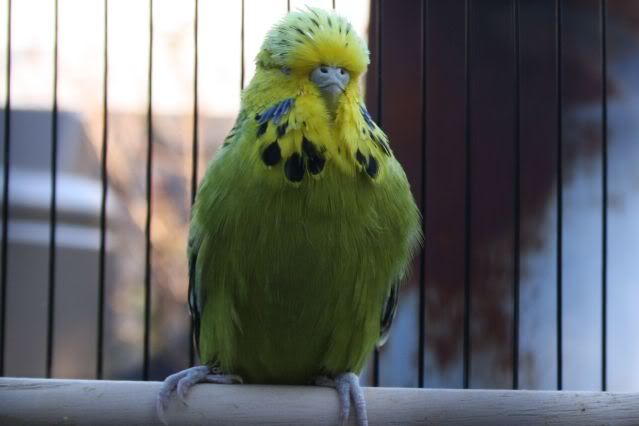
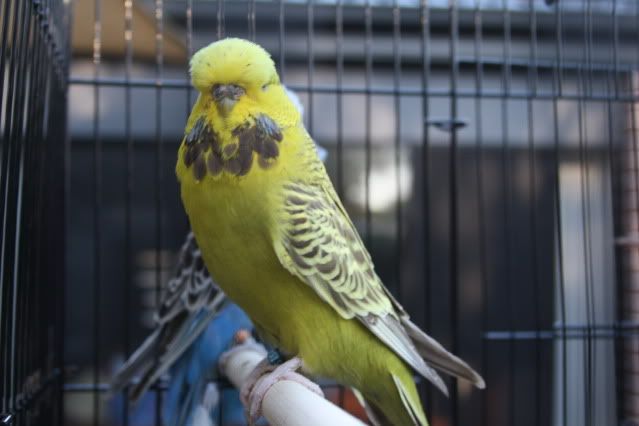
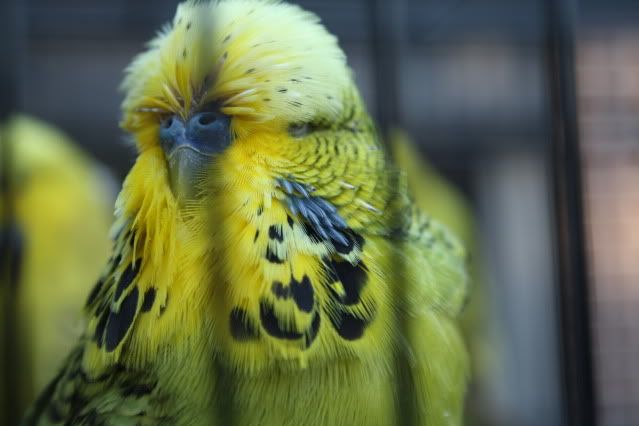
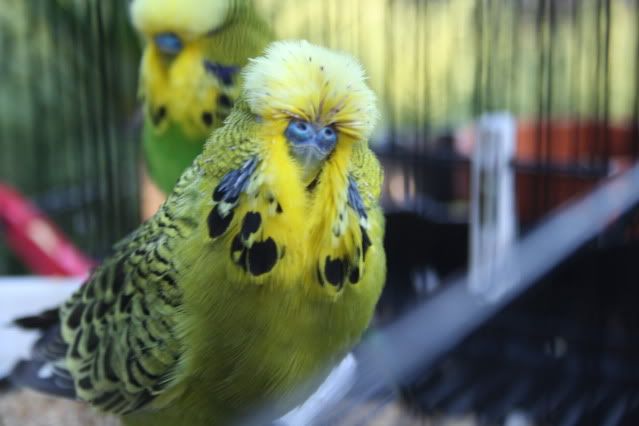
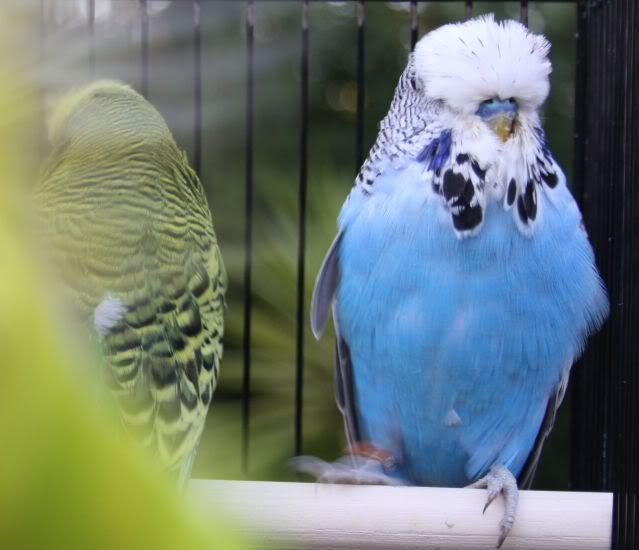
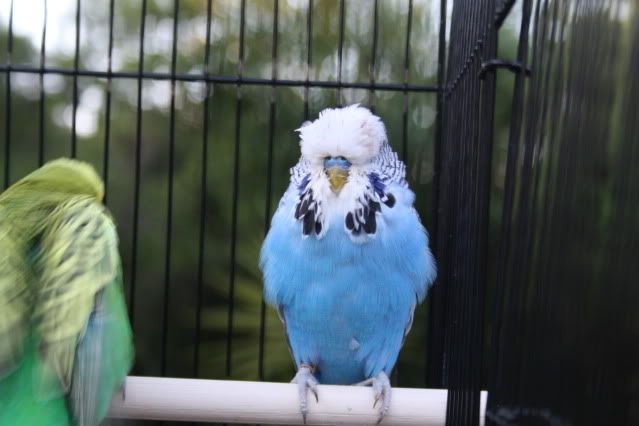
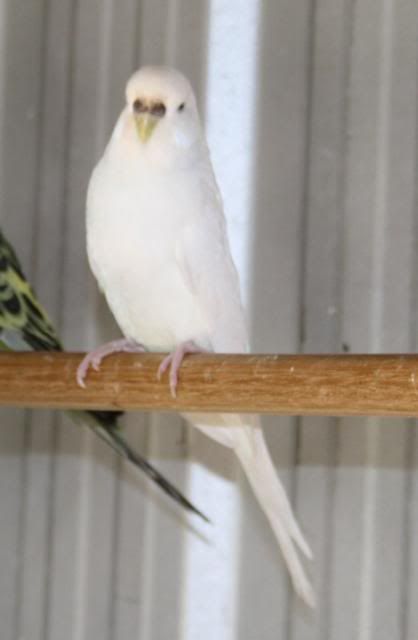
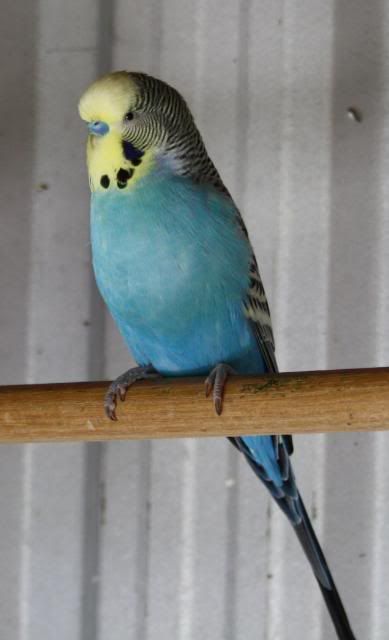
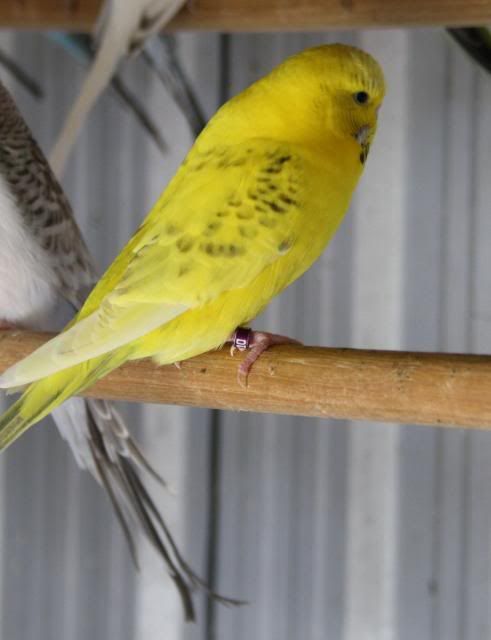
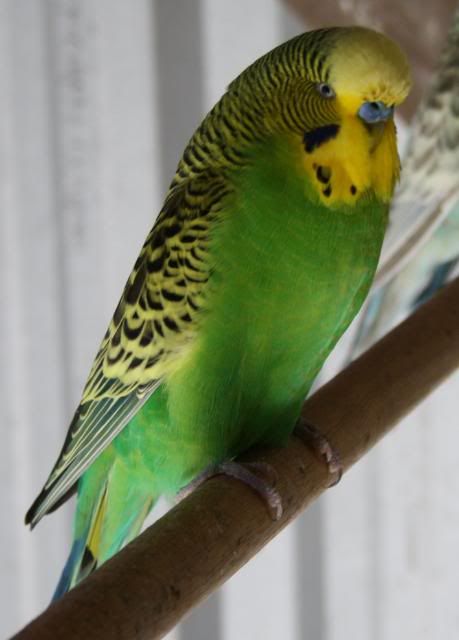
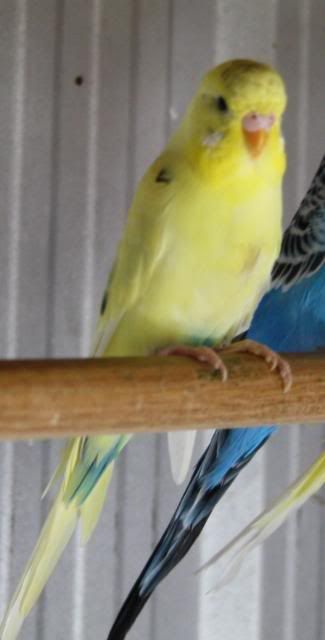
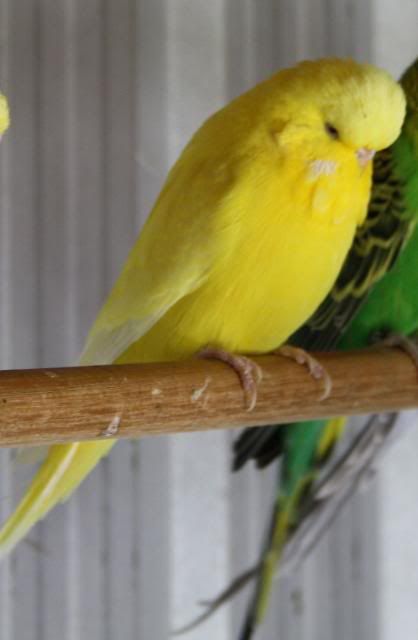
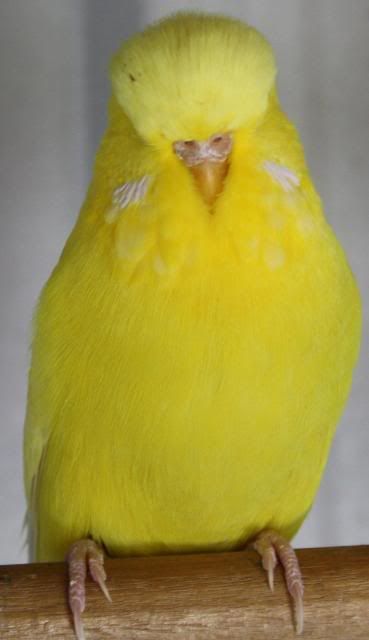
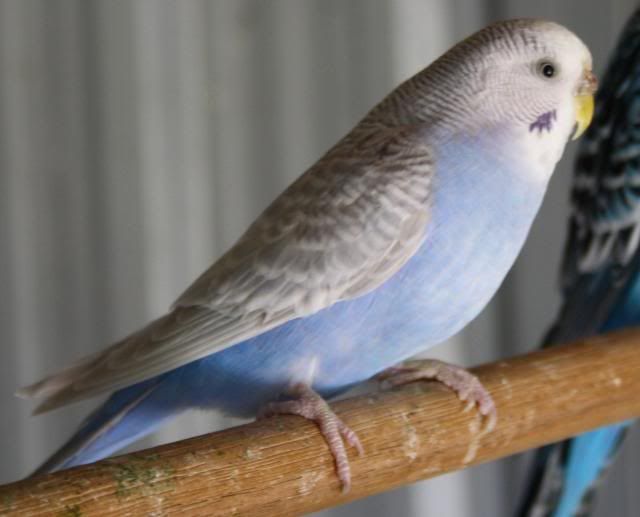
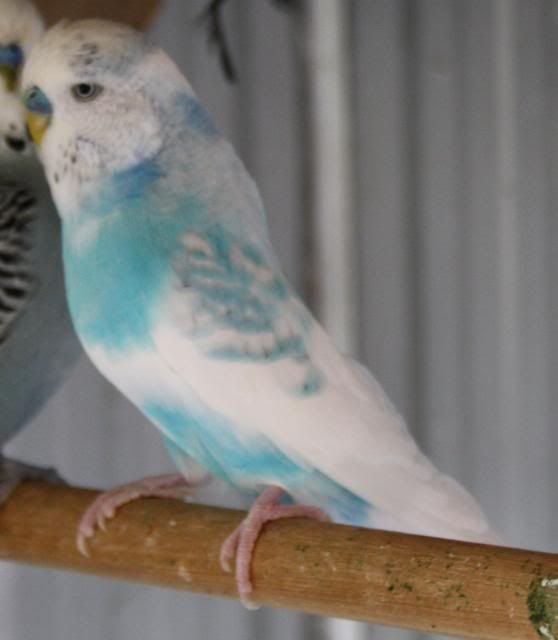
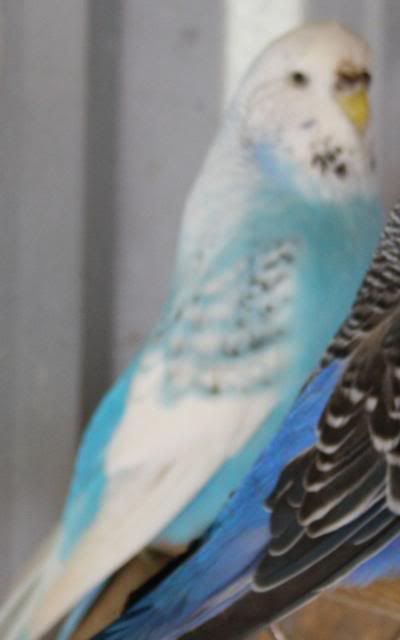
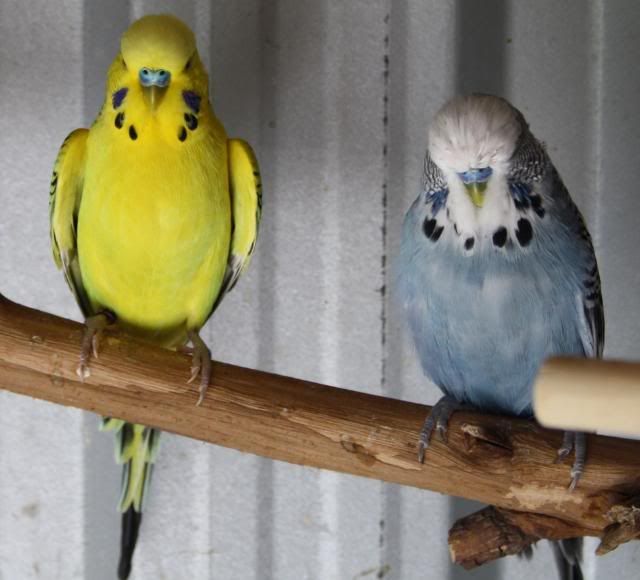
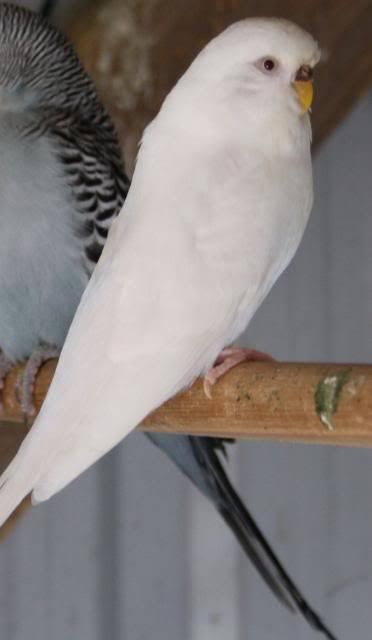
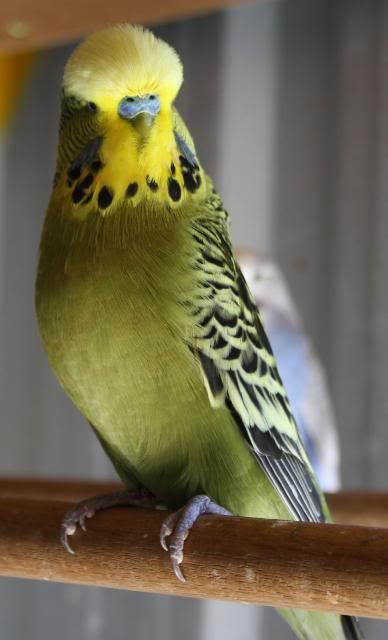
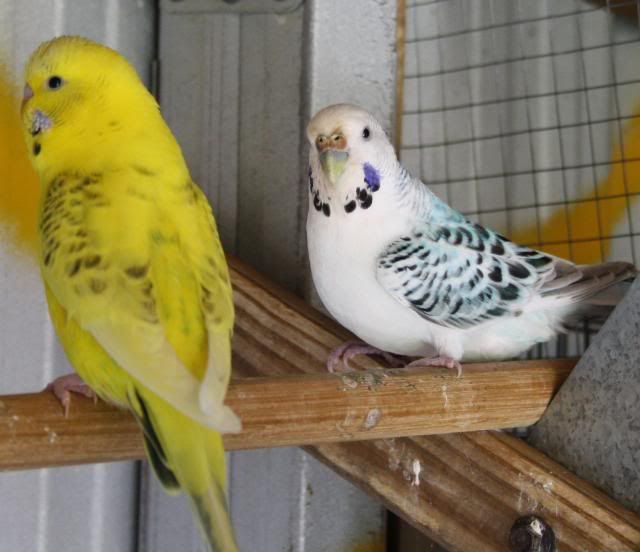
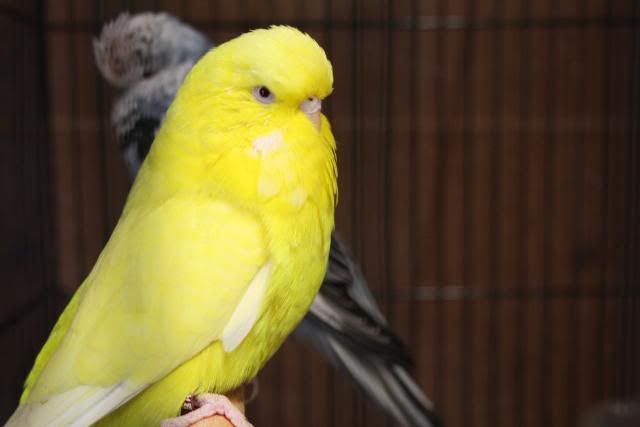
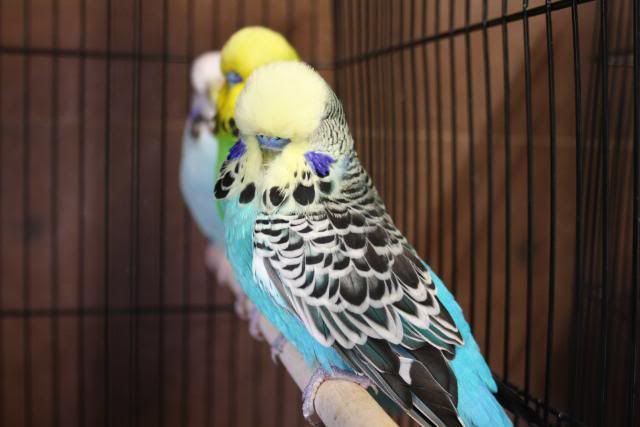
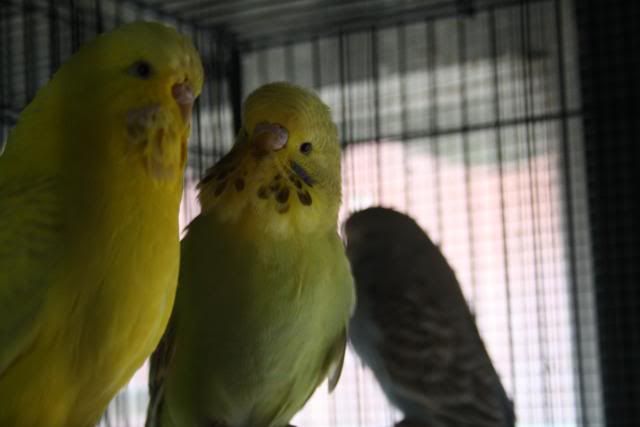
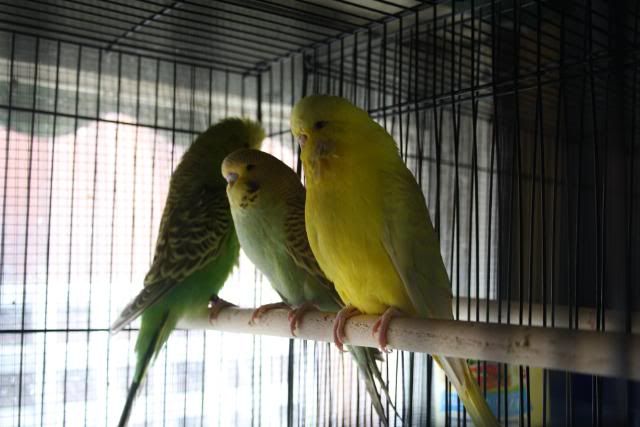
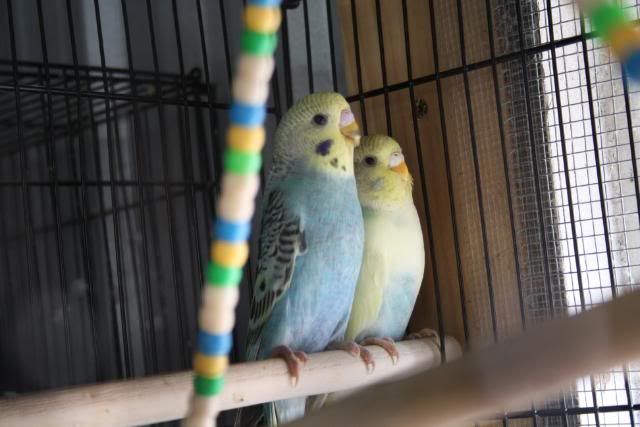
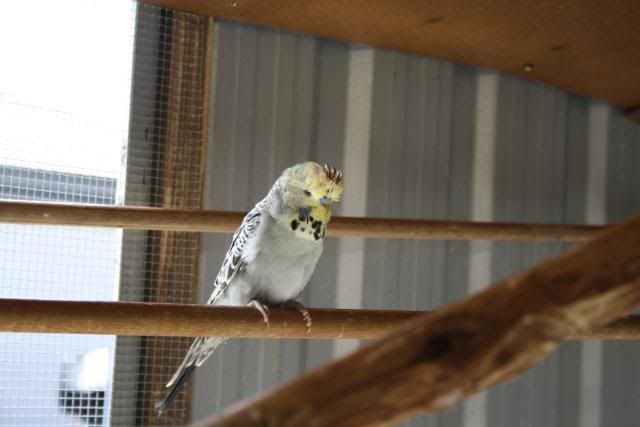
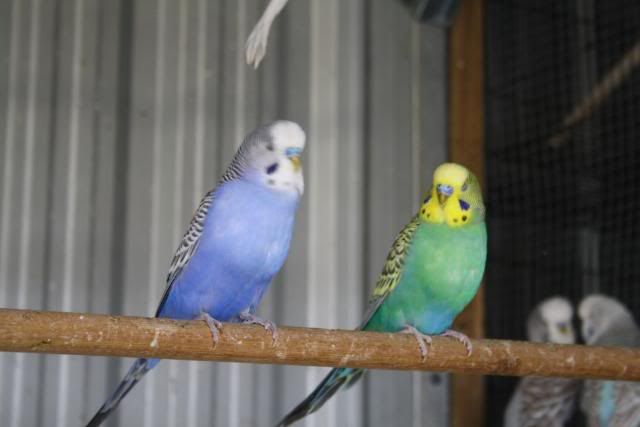
I bought 9 new birds (5 cocks & 4 hens) from my last club meeting. I am really happy with them. They range in age from this years gold rung to 2008 black rung. Some of the birds have beautiful directional feathering, something that most my birds are lacking. They also have lovely long masks. So I am very excited to pair up and breed these guys, obviously after a quarantine period. This will work out well for my July pairings for the October Unbroken Cap Sheild.
Below: Grey Green Opaline Hen, Green Cock and Cinnamon Cobalt Hen.
Below: Cinnamon Cobalt Hen and Grey Green Opaline Hen .
Same Cinnamon Cobalt Hen.
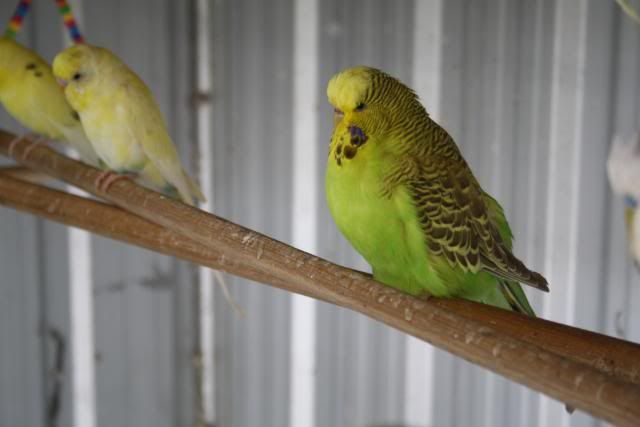
Green Cock.
GreyGreen Opaline Hen.
Cinnamon Opaline GreyGreen Hen.
GreyGreen Cock 2008 rung.
Young Cinnamon Green Cock.
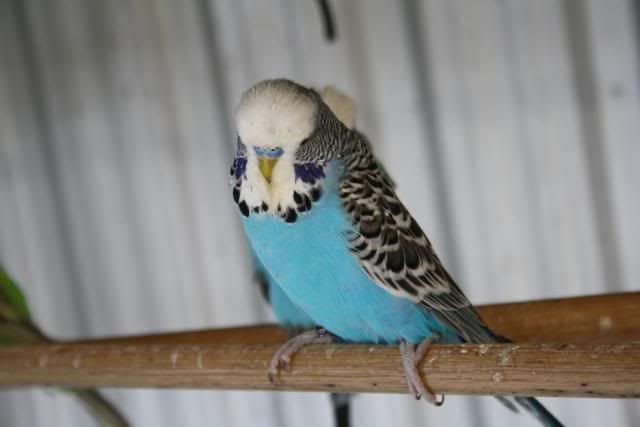
My Favorite, the Cobalt 2012 rung Cock. He can't be older than 7 months so can't wait to see what he looks like in another year.
Saturday, 21 April 2012
Saturday, 10 March 2012
My passion, my purpose. By Barrie Shutt
My passion, my purpose in our hobby will be complete when every budgerigar owner has a mentor.
Not only in the UK but the World over.
A few words about me, the decline, our future and your role.
Why and how?
Why would anyone want to keep, breed and exhibit budgerigars? And, supposing you did, where would you get the know-how?
Apart from the unexplained and instinctive attraction we feel for their brilliant colours and delightfully biddable ways, there are probably as many different contributory factors that motivate the hobbyist as there are hobbyists. For some, getting the knowledge is almost the next logical step after learning first to walk, then to talk. Others take their greatest satisfaction from the sense of community they get from local groups, almost like the camaraderie shared on the terraces by lads in matching scarves. Observing the outcomes of selective breeding is what might motivate others, while seeing the hardware stack up after the wins at major shows may be the driving force in some cases.
How it started.
For me, what became a lifelong fascination and source of great pleasure began almost accidentally. More than fifty years ago as an animal-lover with what was left of his first meagre pay-package burning another hole in his holey trousers pocket, I was desperate to own a pet. There would have been no question of being allowed to keep anything that took up house room, and it was love at first sight when I came upon the pair of red eared waxbills in a local pet shop.
But despite what the songs say, love is not always enough. Ignorant and unable to find any resource that would inform me on their needs; I learned the hard way that some things are not hardy enough to withstand the Cumbrian climate and a well-intentioned amateur touch. After a decent period, I decided to do things a little differently and my next venture began from a different starting place.
Learning
The local library, a conveniently free source of knowledge, had a tiny section that included information on budgerigars, and I read every word. If I had learned my subjects as keenly at school I could have been Chief Exec of ICI by the time I was twenty one! As it was, I was supplementing my income by doing a paper round for the local newsagent, upon whose shelves I came upon a publication called “Cage Birds”, which became my mentor’s voice. Equipped with my new knowledge and a cobbled-together shed, my life as a breeder and exhibitor of budgerigars began. And the learning process is a life’s work. Like many, I had neither benefit of an experienced mentor nor virtually unlimited resources to encourage and enable me to breed world class birds. Having started from that place, I have a particular passion to develop support networks that will enable this season’s pet owner to become next year’s top-class breeder.
Information has never been more widely available and the Internet is an extremely important source. It does not need to be said, however, that identifying reliable, informed advice and opinion is a skill by itself. There is good stuff out there, based on learning, experience and quantifiable evidence and there is less trustworthy stuff that ranges from the purely anecdotal to the downright bad. And we have to guard against reading opinion as fact, for those two things can be very different. Potentially, the various on-line forums are capable of being a valuable source of information and support, because they enable us to “meet” and share information with breeders from a wide range of backgrounds and abilities.
Changes in the hobby
We have seen massive changes in the hobby as it evolved and adapted to enable survival in the 21st Century, and yet despite the eugenics and bird-room technologies, despite the high-end competitiveness that has attracted interest from businessmen and entrepreneurs who would seek to make a profit or even a livelihood out of the hobby, budgerigars are still budgerigars and for most breeders the interest, the joys, the rewards are the birds themselves. And some things have never changed. The fact that we all start somewhere is self-evident but for a young person with his pocket-money budgies, the world of the top breeders and the world-class show can look a pretty daunting place. It is also self-evident that without new blood the hobby will eventually die out and that, in my opinion, would be very sad.
You can help to promote our hobby
How do we attract new people into the hobby? How do we support their start up? How do we encourage beginners to stick at it and enjoy what they do? How do we encourage and enable them to move, if that is their ambition, from pet-owner to champion breeder?
Promoting the hobby is not something that necessarily requires a degree in marketing techniques. Promotion begins with word-of-mouth communication – come on, you must remember it? Old fashioned talking about it! Either as an individual to your mates and neighbours, or in association with your local club, you can help spread the word, generate interest and share your enthusiasm by taking presentations to community forums who are always looking for guest speakers; examples might include schools and colleges, Elderly Care residences, Women’s or Church or hobby groups. (Don’t be offended if they ask you to provide your personal details as we all have a duty to protect the vulnerable in our society.) Talk to the local press. Let them know when your meetings are and invite them to your shows. They may ask for features to provide a background, which provide extra publicity. Have an open day. Run a free course at the local college; it could be just a one-off couple of hours, or something that can be developed to run over a few weeks. See if you can have a stand at any local events and arrange to staff it with your most approachable members. Arrange visits to clubs outside your area and invite them back to yours. And, most importantly, make sure that new faces are made to feel properly welcome. There are lots of ways of spreading the word. Ask your club colleagues for their ideas. Of course, if you do happen to have a degree in marketing, it couldn’t hurt!
There is an important spin-off here for existing breeders, by the way, and that has to do with how we generate and maintain a market for our surplus birds, which may not be good enough to exhibit but may be the accessible, affordable starting point for new owners. Similarly, you can forge links with local pet shops and veterinary surgeries that may hold a list of local breeders, both of which can point potential buyers in your direction. Supplying birds and equipment to new starters either at low or no cost is a win/win situation, as you increase the size of your network and the beginner does not have to invest his life savings in something that he may find is not for him after all.
At the General Council Budgerigar Society meeting in February 2011, the BS approved a proposal I had submitted for an idea that would establish a list of those members who would be interested in becoming mentors to support beginners. The list would be made available through the Budgerigar Society web site. Mentoring can include aspects of guidance, help, advice and teaching, dependent upon the resources of the mentor and the needs of the mentee. It might be one-to-one in person or based on friendly chats over the phone or internet. For the beginner the mentoring system is a genuine opportunity to feel supported and a part of something. For the mentor there is the chance to share your knowledge and experience and to know that you are genuinely helping. Any BS member who is interested can contact the society secretary including your details.
As a member, you can encourage all Area Societies to adopt the mentoring scheme by following the example set by The Northern Budgerigar Society, who brought the proposal to its members and agreed to take it up through the democratic voting system at their meeting. If the idea were taken up by the World Budgerigar Organisation, people elsewhere in the world could access accurate information that had not become distorted through translation.
We need your help now!
If you care about the future of the hobby, you have a part to play in securing it; as an individual, at local club level and through the Budgerigar Society. Share your ideas instead of jealously guarding your acquired wisdom. If you are one of the lucky ones who is time and resource-rich, think back to your first days and have some compassion for the tentative first steps of the new starter, as one disparaging remark can cause his interest to be stillborn. Spread the word; on the street, on the forums, on the social networks.
Barrie Shutt
Not only in the UK but the World over.
A few words about me, the decline, our future and your role.
Why and how?
Why would anyone want to keep, breed and exhibit budgerigars? And, supposing you did, where would you get the know-how?
Apart from the unexplained and instinctive attraction we feel for their brilliant colours and delightfully biddable ways, there are probably as many different contributory factors that motivate the hobbyist as there are hobbyists. For some, getting the knowledge is almost the next logical step after learning first to walk, then to talk. Others take their greatest satisfaction from the sense of community they get from local groups, almost like the camaraderie shared on the terraces by lads in matching scarves. Observing the outcomes of selective breeding is what might motivate others, while seeing the hardware stack up after the wins at major shows may be the driving force in some cases.
How it started.
For me, what became a lifelong fascination and source of great pleasure began almost accidentally. More than fifty years ago as an animal-lover with what was left of his first meagre pay-package burning another hole in his holey trousers pocket, I was desperate to own a pet. There would have been no question of being allowed to keep anything that took up house room, and it was love at first sight when I came upon the pair of red eared waxbills in a local pet shop.
But despite what the songs say, love is not always enough. Ignorant and unable to find any resource that would inform me on their needs; I learned the hard way that some things are not hardy enough to withstand the Cumbrian climate and a well-intentioned amateur touch. After a decent period, I decided to do things a little differently and my next venture began from a different starting place.
Learning
The local library, a conveniently free source of knowledge, had a tiny section that included information on budgerigars, and I read every word. If I had learned my subjects as keenly at school I could have been Chief Exec of ICI by the time I was twenty one! As it was, I was supplementing my income by doing a paper round for the local newsagent, upon whose shelves I came upon a publication called “Cage Birds”, which became my mentor’s voice. Equipped with my new knowledge and a cobbled-together shed, my life as a breeder and exhibitor of budgerigars began. And the learning process is a life’s work. Like many, I had neither benefit of an experienced mentor nor virtually unlimited resources to encourage and enable me to breed world class birds. Having started from that place, I have a particular passion to develop support networks that will enable this season’s pet owner to become next year’s top-class breeder.
Information has never been more widely available and the Internet is an extremely important source. It does not need to be said, however, that identifying reliable, informed advice and opinion is a skill by itself. There is good stuff out there, based on learning, experience and quantifiable evidence and there is less trustworthy stuff that ranges from the purely anecdotal to the downright bad. And we have to guard against reading opinion as fact, for those two things can be very different. Potentially, the various on-line forums are capable of being a valuable source of information and support, because they enable us to “meet” and share information with breeders from a wide range of backgrounds and abilities.
Changes in the hobby
We have seen massive changes in the hobby as it evolved and adapted to enable survival in the 21st Century, and yet despite the eugenics and bird-room technologies, despite the high-end competitiveness that has attracted interest from businessmen and entrepreneurs who would seek to make a profit or even a livelihood out of the hobby, budgerigars are still budgerigars and for most breeders the interest, the joys, the rewards are the birds themselves. And some things have never changed. The fact that we all start somewhere is self-evident but for a young person with his pocket-money budgies, the world of the top breeders and the world-class show can look a pretty daunting place. It is also self-evident that without new blood the hobby will eventually die out and that, in my opinion, would be very sad.
You can help to promote our hobby
How do we attract new people into the hobby? How do we support their start up? How do we encourage beginners to stick at it and enjoy what they do? How do we encourage and enable them to move, if that is their ambition, from pet-owner to champion breeder?
Promoting the hobby is not something that necessarily requires a degree in marketing techniques. Promotion begins with word-of-mouth communication – come on, you must remember it? Old fashioned talking about it! Either as an individual to your mates and neighbours, or in association with your local club, you can help spread the word, generate interest and share your enthusiasm by taking presentations to community forums who are always looking for guest speakers; examples might include schools and colleges, Elderly Care residences, Women’s or Church or hobby groups. (Don’t be offended if they ask you to provide your personal details as we all have a duty to protect the vulnerable in our society.) Talk to the local press. Let them know when your meetings are and invite them to your shows. They may ask for features to provide a background, which provide extra publicity. Have an open day. Run a free course at the local college; it could be just a one-off couple of hours, or something that can be developed to run over a few weeks. See if you can have a stand at any local events and arrange to staff it with your most approachable members. Arrange visits to clubs outside your area and invite them back to yours. And, most importantly, make sure that new faces are made to feel properly welcome. There are lots of ways of spreading the word. Ask your club colleagues for their ideas. Of course, if you do happen to have a degree in marketing, it couldn’t hurt!
There is an important spin-off here for existing breeders, by the way, and that has to do with how we generate and maintain a market for our surplus birds, which may not be good enough to exhibit but may be the accessible, affordable starting point for new owners. Similarly, you can forge links with local pet shops and veterinary surgeries that may hold a list of local breeders, both of which can point potential buyers in your direction. Supplying birds and equipment to new starters either at low or no cost is a win/win situation, as you increase the size of your network and the beginner does not have to invest his life savings in something that he may find is not for him after all.
At the General Council Budgerigar Society meeting in February 2011, the BS approved a proposal I had submitted for an idea that would establish a list of those members who would be interested in becoming mentors to support beginners. The list would be made available through the Budgerigar Society web site. Mentoring can include aspects of guidance, help, advice and teaching, dependent upon the resources of the mentor and the needs of the mentee. It might be one-to-one in person or based on friendly chats over the phone or internet. For the beginner the mentoring system is a genuine opportunity to feel supported and a part of something. For the mentor there is the chance to share your knowledge and experience and to know that you are genuinely helping. Any BS member who is interested can contact the society secretary including your details.
As a member, you can encourage all Area Societies to adopt the mentoring scheme by following the example set by The Northern Budgerigar Society, who brought the proposal to its members and agreed to take it up through the democratic voting system at their meeting. If the idea were taken up by the World Budgerigar Organisation, people elsewhere in the world could access accurate information that had not become distorted through translation.
We need your help now!
If you care about the future of the hobby, you have a part to play in securing it; as an individual, at local club level and through the Budgerigar Society. Share your ideas instead of jealously guarding your acquired wisdom. If you are one of the lucky ones who is time and resource-rich, think back to your first days and have some compassion for the tentative first steps of the new starter, as one disparaging remark can cause his interest to be stillborn. Spread the word; on the street, on the forums, on the social networks.
Barrie Shutt
Monday, 13 February 2012
Birds
Here's some photos of the birds I have for sale.
Sky violet recessive pied HEN Hatchdate: 24-10-10 $10 SOLD
Double factor spangle white (no dark factors: masking Opaline,dominate pied and recessive pied).HEN.Bought from pet shop as a baby 2010. Very good breeder, great mum. $15SOLD
Yellow face (mutant 1) Cobalt/ split for blue, recessive pied. COCK. Bought as a baby from pet shop early 2010. Very good father. $15SOLD
Recessive pied, Opaline, texas clearbody/ split for albino. COCK. Hatched 9-9-10. $10 Very fertile SOLD
Green COCK bought 2009 $5 Never tried to breed him. SOLD
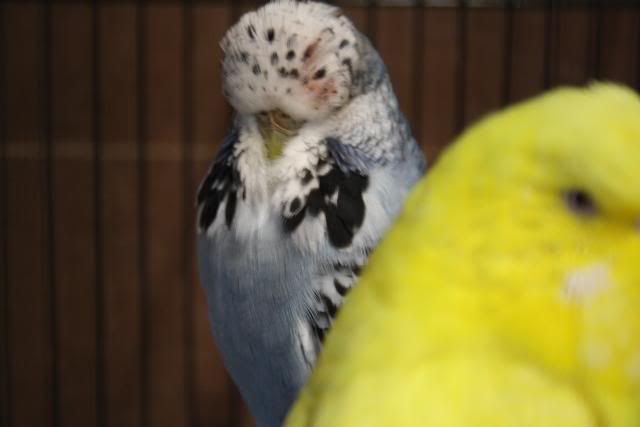
Goldenface recessive pied/split for Opaline and blue. COCK hatched 23-9-10 $10 Bred one round last year.SOLD
Lutino HEN 2009 bred. $20SOLD
Greywing cobalt violet HEN. I don't know how old she is. I bred her once last year,March, and she laid plenty of fertile eggs but only one hatched. She raised 3 fosters along with her single chick. $5SOLD
Sky Opaline dominate pied spangle/split for recessive pied, possibly split for cinnamon. COCK hatchdate: 13-10-10 $10SOLD
Sky Opaline dominate pied spangle/ split for recessive pied. HEN hatchdate 11-10-10 Excellent breeding hen. 12 chicks over two rounds. $20SOLD
Sky cinnamon Opaline dominate pied spangle/ split recessive pied. HEN hatchdate 15-10-10. 10 Chicks over two rounds last year. Excellent mother. $15SOLD
left-Yellow Texas Clear Body Opaline/Split for albino COCK hatch date 9-9-10 $10 Very fertile.SOLD
right-Grey (Cobalt)/split for Opaline. 2009 bred. Fathered 7 chicks over 2 rounds. $10SOLD
Albino masking Opaline, spangle and possibly pied.HEN. Hatched 5-4-11 . Was planning to breed this hen with her uncle who is split for albino.$20SOLD
Grey green/split for Opaline and blue. 2009 bred. Very good father. 10 chicks over 2 rounds. $15SOLD
Sky Texas Clear Body Opaline HEN Hatched 11-09-10 Very good breeding hen. 9 chicks over 2 rounds. $10.SOLD
Sky violet recessive pied HEN Hatchdate: 24-10-10 $10 SOLD
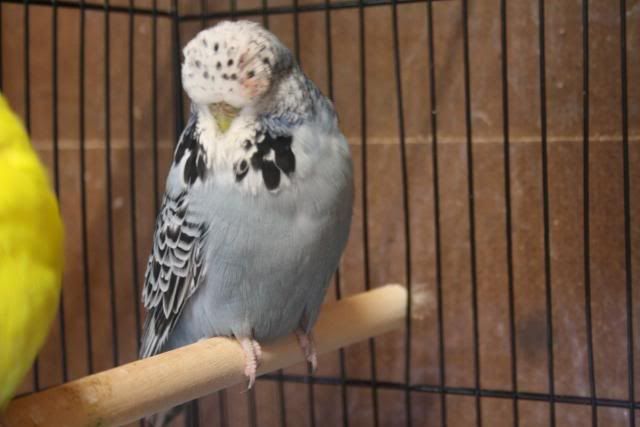
Double factor spangle white (no dark factors: masking Opaline,dominate pied and recessive pied).HEN.Bought from pet shop as a baby 2010. Very good breeder, great mum. $15SOLD
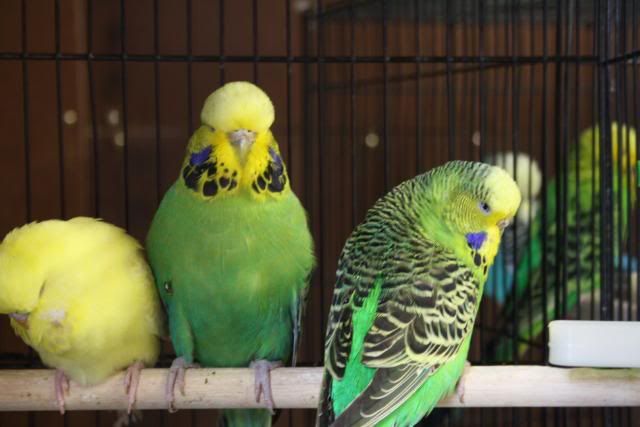
Yellow face (mutant 1) Cobalt/ split for blue, recessive pied. COCK. Bought as a baby from pet shop early 2010. Very good father. $15SOLD
Recessive pied, Opaline, texas clearbody/ split for albino. COCK. Hatched 9-9-10. $10 Very fertile SOLD
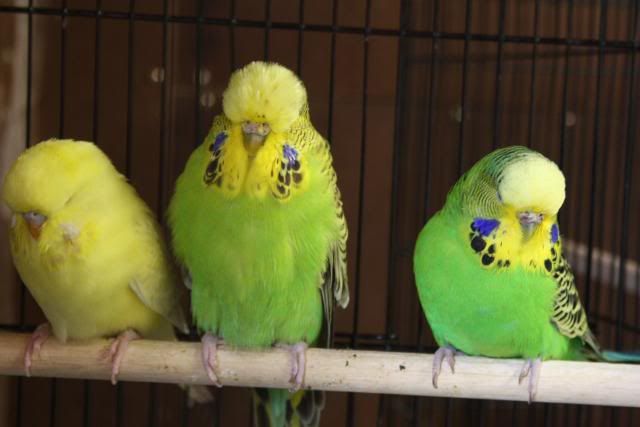
Green COCK bought 2009 $5 Never tried to breed him. SOLD
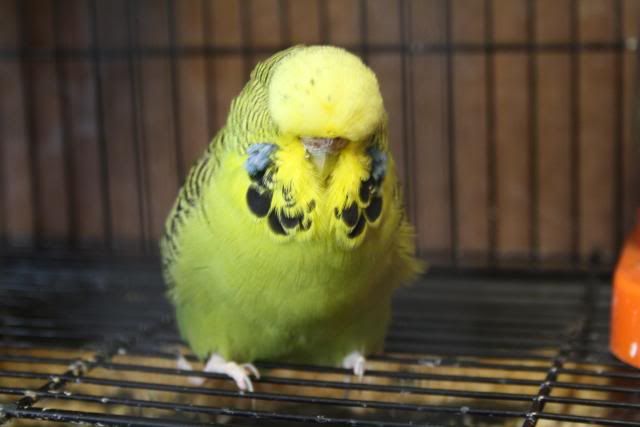
Goldenface recessive pied/split for Opaline and blue. COCK hatched 23-9-10 $10 Bred one round last year.SOLD
Lutino HEN 2009 bred. $20SOLD
Greywing cobalt violet HEN. I don't know how old she is. I bred her once last year,March, and she laid plenty of fertile eggs but only one hatched. She raised 3 fosters along with her single chick. $5SOLD
Sky Opaline dominate pied spangle/split for recessive pied, possibly split for cinnamon. COCK hatchdate: 13-10-10 $10SOLD
Sky Opaline dominate pied spangle/ split for recessive pied. HEN hatchdate 11-10-10 Excellent breeding hen. 12 chicks over two rounds. $20SOLD
Sky cinnamon Opaline dominate pied spangle/ split recessive pied. HEN hatchdate 15-10-10. 10 Chicks over two rounds last year. Excellent mother. $15SOLD
left-Yellow Texas Clear Body Opaline/Split for albino COCK hatch date 9-9-10 $10 Very fertile.SOLD
right-Grey (Cobalt)/split for Opaline. 2009 bred. Fathered 7 chicks over 2 rounds. $10SOLD
Albino masking Opaline, spangle and possibly pied.HEN. Hatched 5-4-11 . Was planning to breed this hen with her uncle who is split for albino.$20SOLD
Grey green/split for Opaline and blue. 2009 bred. Very good father. 10 chicks over 2 rounds. $15SOLD
Sky Texas Clear Body Opaline HEN Hatched 11-09-10 Very good breeding hen. 9 chicks over 2 rounds. $10.SOLD
Tuesday, 13 December 2011
Some New Birds
Here's my 11 new birds, 9 hens and 2 cocks.
Lutino hen
Grey opaline hen
Same bird
Baby lacewing hen, dark green opaline hen, light green hen.
Same birds, Dark green opaline hen, baby lacewing hen, light green cinnamon hen, light green hen
Same birds again
Grey green hen
Sky yellow face cock.
I have finally cleared out all nest boxes for the year. YAY!! A total of 85 chicks for 2011, 51 hens and 34 cocks. Here are a few photo's of some of my latest chicks. All five chicks from the lacewing hen- cinnamon green cock, are hens.
Lacewing hen with chicks
Dad on the left, chick centre, mum right.
Oldest chick from that nest. She is 6 weeks old in this photo.
Brother and sister. A couple of pet type I'm keeping to breed next year.
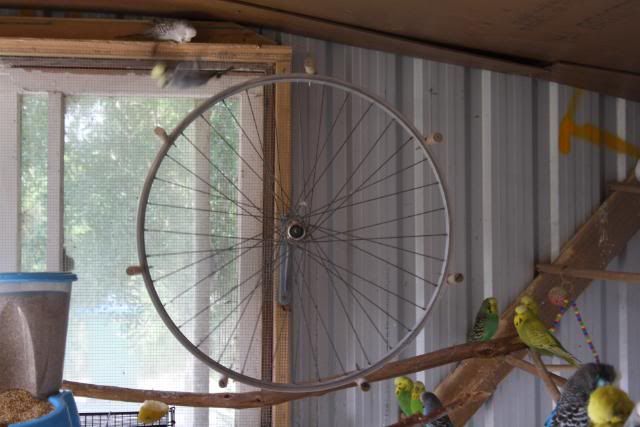
A Big Fat THANK YOU to Marcus for making me a wheel. I have always wanted one. Thank you to David Lawrance for giving us the wheel rim. It has taken a few days but a few of the younger birds have started to use it.
Birds view of the house and garden.
OUCH!!
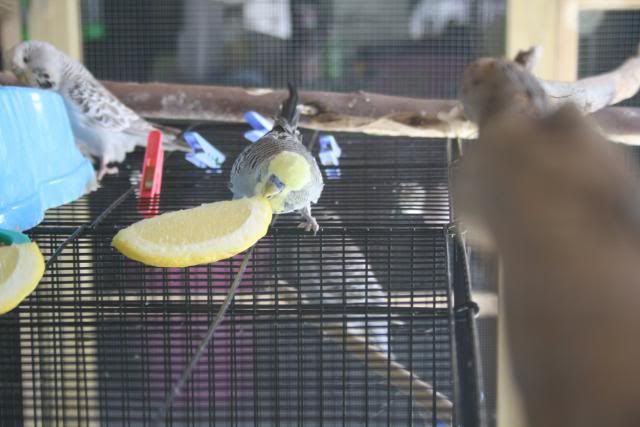
Nom, nom Lemons today!!
Young sky blue cock hatched in August 2011.
My 3 year old daughter gets very excited when she sees this fat budgie. This hen is 10mths old.
Lutino hen
Grey opaline hen
Same bird
Baby lacewing hen, dark green opaline hen, light green hen.
Same birds, Dark green opaline hen, baby lacewing hen, light green cinnamon hen, light green hen
Same birds again
Grey green hen
Sky yellow face cock.
I have finally cleared out all nest boxes for the year. YAY!! A total of 85 chicks for 2011, 51 hens and 34 cocks. Here are a few photo's of some of my latest chicks. All five chicks from the lacewing hen- cinnamon green cock, are hens.
Lacewing hen with chicks
Dad on the left, chick centre, mum right.
Oldest chick from that nest. She is 6 weeks old in this photo.
Brother and sister. A couple of pet type I'm keeping to breed next year.
A Big Fat THANK YOU to Marcus for making me a wheel. I have always wanted one. Thank you to David Lawrance for giving us the wheel rim. It has taken a few days but a few of the younger birds have started to use it.
Birds view of the house and garden.
OUCH!!
Nom, nom Lemons today!!
Young sky blue cock hatched in August 2011.
My 3 year old daughter gets very excited when she sees this fat budgie. This hen is 10mths old.
Subscribe to:
Posts (Atom)